Cancers
Renewing health and restoring hope through cancer innovation.

Impacting Cancer Disparities through Innovative Technology
At the root of the Integro Theranostics mission is renewing and restoring health through innovative cancer technologies. Integro aspires to challenge current standards of care while making hope visible for all patients, no matter their race, ethnicity, or socioeconomic status.
Despite great progress in lowering the overall cancer death rate since the early 1990s, health inequities persist among underrepresented populations, who continue to experience a disproportionate burden of cancer incidence and mortality.
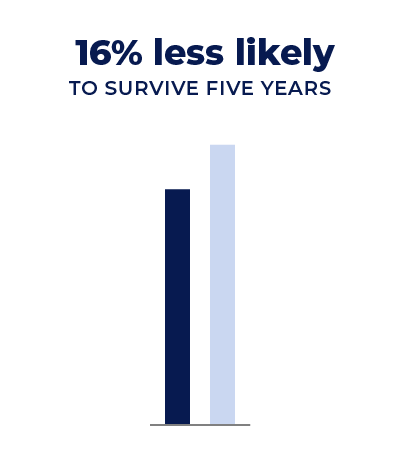
Although Black people have lower cancer incidence rates compared to white people, they have the highest overall cancer death rates (AACR Cancer Disparities Progress Report 2024). In addition, their 5-year cancer survival rate is lower than White people.
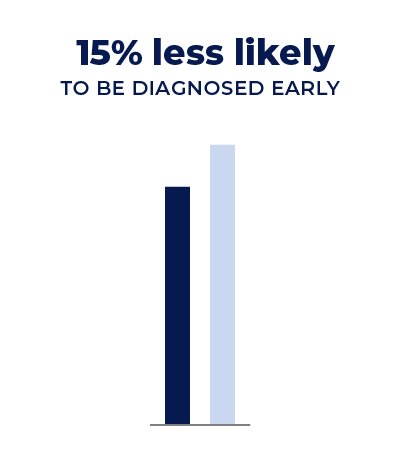
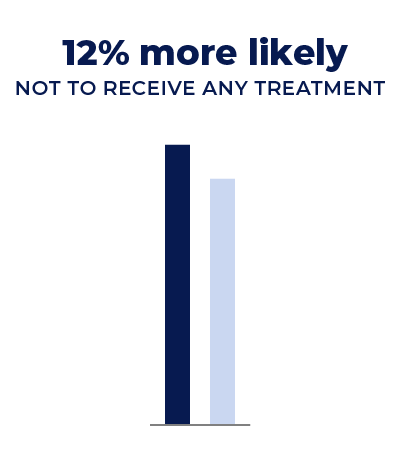
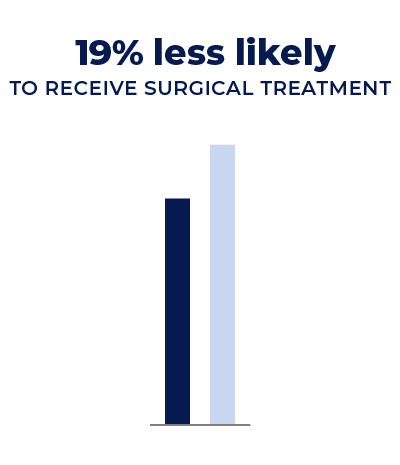
Black people are more likely than White people to be diagnosed at a late stage with:
Lung Cancer
Female Breast Cancer
Colorectal Cancer
(CDC)
Lung Cancer
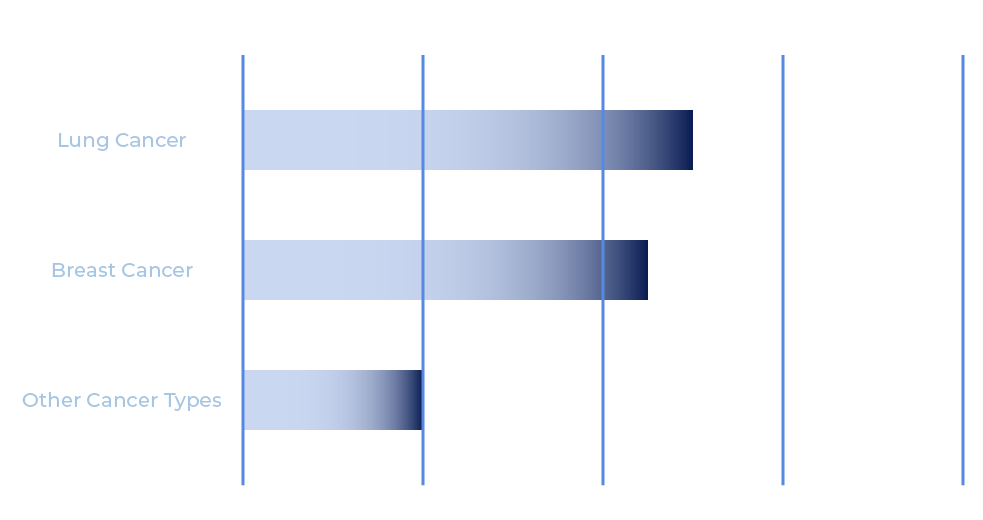
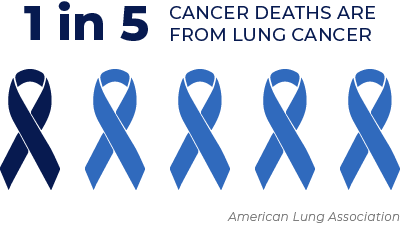
Lung cancer remains the leading cause of cancer death in the U.S. with wide disparities between Black patients compared to White patients (American Lung Association).

Latest CXL Clinical Data
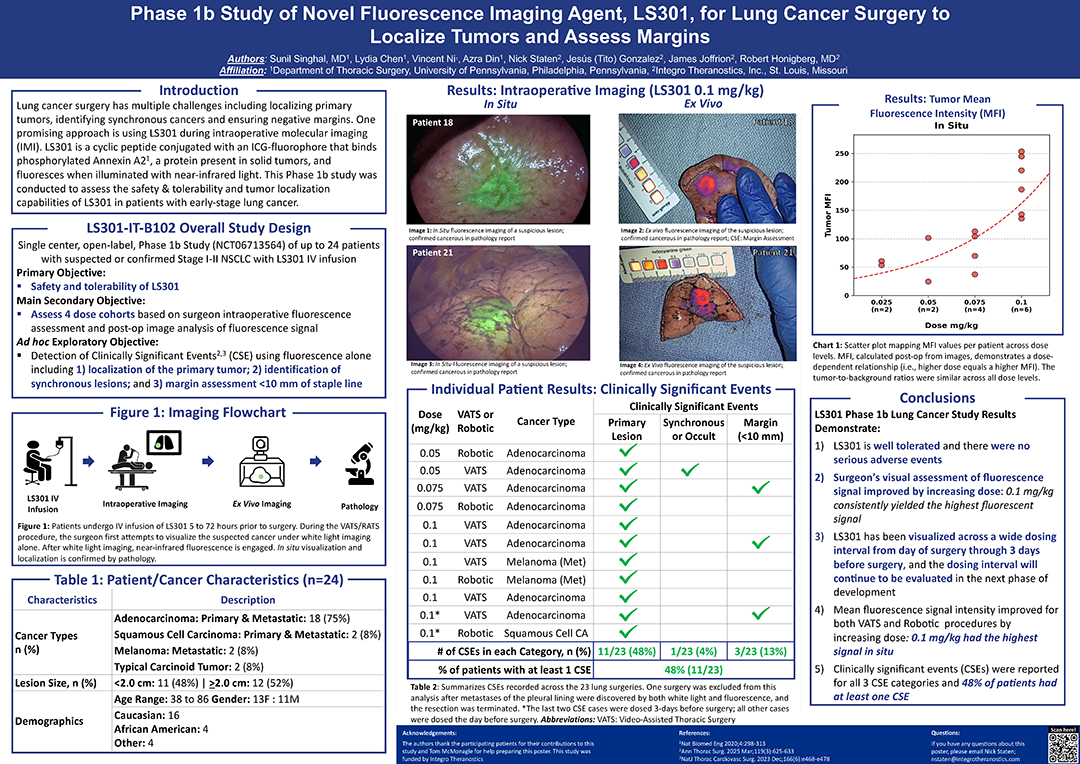
Positive results from the Phase 1b clinical trial of cronexitide lanocianine (CXL), formerly known as LS301, support advancement into a Phase II lung cancer study that began in late 2025.
Updated clinical study data was presented at the Precision Surgery Intraoperative Molecular Imaging Conference (4th Clinical Trials Update) on Nov. 14, 2025, in Philadelphia. The findings demonstrated:
Promising findings for CXL as a potentially important aid for lung cancer surgeons
Identification of previously undetected or unseen cancer lesions (“Clinically Significant Events”) in 48% of the 23 patients in the study who underwent lung cancer surgery
Potential guidance for surgeons to ensure adequate margins for lung cancer resection
CXL was found to be well tolerated with no reported serious adverse events for all patients in the study
Impactful data and learnings from a diverse patient cohort, with more than one-third of participants coming from underrepresented populations.
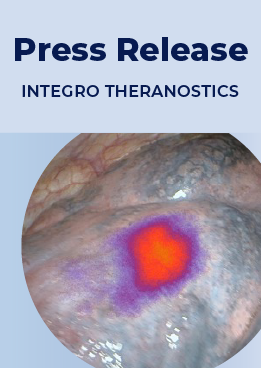
The published poster of study results is now available for review.

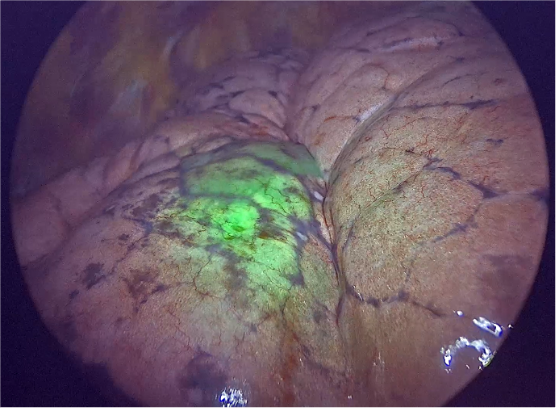

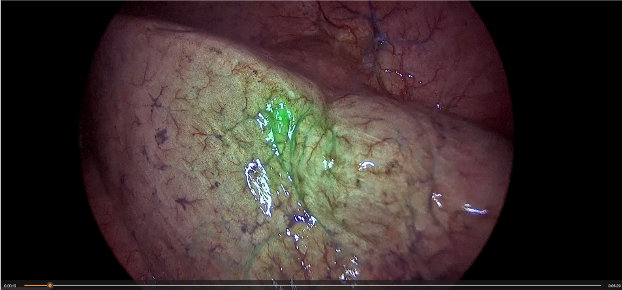

CXL as visible on various commercially available imaging devices
Lung Cancer Clinical Trials
Title: Fluorescence imaging agent for lung cancer resection
Enrollment Status: Active, not recruiting
This dose escalation clinical study is designed to assess the safety and fluorescence signal of LS301-IT in patients undergoing surgical thoracoscopy and VATS (Video-Assisted Thoracoscopic Surgery) or RATS (Robotic Assisted Thoracoscopic Surgery) resection of lung cancer. Safety is the primary objective of this study, followed by evaluation of the fluorescence signal as it relates to dose level and dosing time interval which will not be used for decision-making in the surgical resection in this study. Various imaging technologies will be used to assess the fluorescence signal intensity in lung cancer.
Lung Cancer News & Publications

Breast Cancer
Among women in the U.S., breast cancer is the most common cancer, with a new case being diagnosed every 2 minutes (Breast Cancer Research Foundation). Black women have a disproportionate likelihood of death from breast cancer compared to White women, despite an overall decline in breast cancer deaths since 1989 (Breast Cancer Research Foundation).
Clinical Trials
DescriptionPhase 1b/2 Clinical Trial: LS301-IT in Partial Mastectomy and Sentinel Lymph Node Biopsy
This open-label study is evaluating the safety, efficacy, and pharmacokinetics of LS301-IT, a novel fluorescence imaging agent designed to help surgeons visualize tumor margins and sentinel lymph nodes during breast cancer surgery.